
Dopamine-firing cells could reveal earliest signs of AD
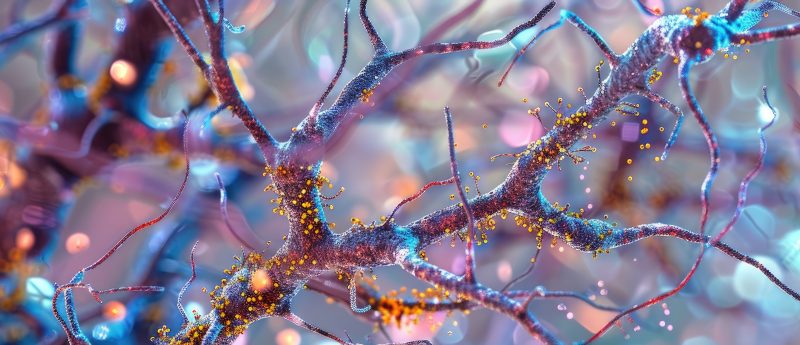
Neurofibrillary tangles in pyramidal neurons of the human cerebral cortex a distinctive neuropathological feature of Alzheimer s disease AD detected through the silver carbonate method
Researchers from the University of Sheffield (UK) have discovered that a new link between diminished input from dopamine-firing cells deep inside the brain and the ability to form new memories could be crucial in detecting the earliest signs of Alzheimer’s disease (AD). This is the first study to demonstrate such a link in humans and could revolutionize screening for the early signs of AD, changing the way brain scans are acquired and interpreted, as well as using different memory tests. The results of the study are published in the Journal of Alzheimer’s Disease. “Our findings suggest that if a small...