iTBS brain stimulation reduces spasticity in spinal cord injury patients
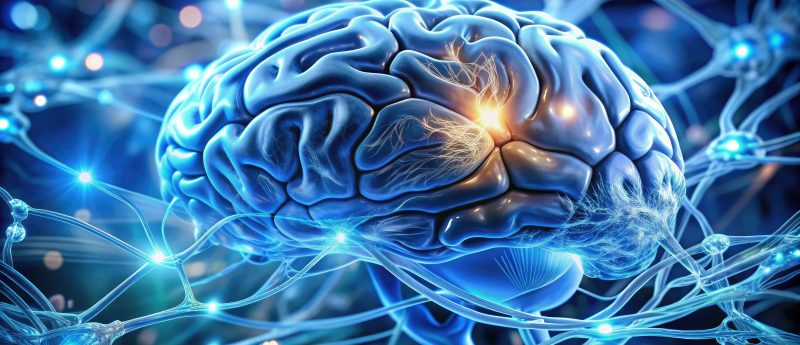
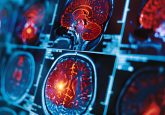
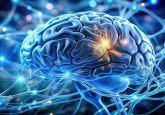
Macro shot of a brain's cerebrospinal fluid filled ventricle, showcasing intricate neural structures and membranes, illuminated by soft blue light in a medical lab setting.
Recent findings published in Restorative Neurology and Neuroscience have suggested that excitatory intermittent theta burst stimulation (iTBS), a protocol of excitatory repetitive transcranial magnetic stimulation (rTMS), could be a promising therapeutic tool for treating spasticity in spinal cord injury (SCI) patients. Past studies have demonstrated that rTMS can reduce spasticity, but in this study iTBS, which is considered a well-tolerated, safe and non-invasive protocol, was specifically tested. Lead investigator of this study, Raffaele Nardone (Paracelsus Medical University, Austria), stated: "The aim of this study was to assess whether a different rTMS protocol may have significant beneficial clinical effects in the...